

A skylight does not need to be replaced simply because it starts leaking or has been on the roof for several years. Sometimes the problem is limited to the flashing, surrounding roof shingles, or another part of the roof.
Other times, the skylight itself has started to fail and replacing it makes more sense than another repair.
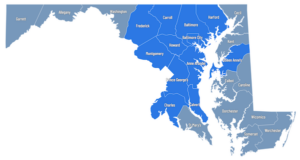
After more than 20 years of repairing and replacing skylights throughout Maryland, RoofPRO looks at the glass, frame, seals, flashing, operating components, and surrounding roof before recommending replacement.
Here are five signs that usually tell us it’s time to replace it.
1. The Skylight Itself Is Leaking
Water around a skylight is one of the most common reasons homeowners call us, but finding water does not automatically mean the skylight needs replacing. The first step is figuring out exactly where the water is entering.
One problem we see often is a failure where the glass meets the framework. Homeowners sometimes ask if we can simply apply new caulk around that joint. Caulk may slow the leak temporarily, but it is rarely a dependable long-term solution once that part of the skylight has started failing.
Replacement usually makes more sense when you see visible damage to the framing, glass seal, or other parts of the skylight itself, which are deteriorating from age or storm damage.
If it is still in good condition and the problem is limited to the flashing or surrounding roof, a repair may be enough.
2. The Glass Is Fogged, has Cracks, or is Deteriorating
Fogging between the panes is a common sign that the insulated glass seal has failed. Modern skylights typically use multiple panes of glass with a sealed space between them. Once that seal fails, moisture can get between the panes and create a cloudy or fogged appearance that cannot be cleaned away.
Physical damage is another reason to consider replacing your skylights. Hail, falling branches, and severe weather can crack or damage the glass.
Some older skylights use acrylic domes rather than modern glass. These can yellow, become brittle, or lose clarity after years of exposure to sunlight and weather. Discoloration by itself does not always require immediate replacement, but it becomes more concerning when combined with cracks, leaks, or other deterioration.
3. It No Longer Works Properly
Venting skylights have more components that can wear out than fixed skylights.
Older crank mechanisms can seize, powered components can stop working, and the skylight may no longer open or close correctly. Seals and frames can also deteriorate enough to allow unwanted air into the home.
Sometimes an individual component can be repaired. The decision becomes different when the skylight is older, parts are no longer available, or several components have started failing concurrently.
If it no longer operates correctly and you notice condensation, leaking, fogging, or showing deterioration around the framing, replacing it is often the better long-term option.
4. It Is Showing Multiple Signs Material Wear
There is no exact age when every skylight needs to be replaced.
We are more interested in how the unit is performing.
An older skylight that remains clear, watertight, and fully operational may still have useful life left. Skylight replacement becomes more reasonable when several material wear problems begin appearing together.
That may include fogged glass, deteriorated seals, recurring leaks, corrosion, damaged trim, drafts, or an operating mechanism that no longer works properly.
Older models can also become more difficult to repair when the manufacturer has discontinued the skylight or part types are no longer available to replace.
At that point, continuing to repair one problem at a time may cost more without solving the underlying issue.
5. During Replacement of Your Roof
A roof replacement is one of the best times to consider replacing existing skylights.
The shingles and flashing around each skylight are already being removed. That gives us the opportunity for a new skylight installation, new waterproofing, and a new flashing system as part of replacing the roof.
Keeping an aging skylight can create a problem later. Your new roof may still have decades of useful life when the older skylight finally needs replacing.
Now the roofing around it has to be opened again just for the removal and installation of the new skylight, which can add to the replacement cost.
For that reason, RoofPRO generally recommends replacing them when a new roof is being installed, especially when those skylights are already showing signs of age or deterioration.
We still evaluate each skylight individually. A relatively new one in excellent condition may not need replacing simply because the roof does.
When it Can Be Repaired Instead
Not every leak requires a new skylight.
We have inspected plenty of leaks where water appeared at the skylight opening even though the system itself was still in good condition.
Sometimes the real problem is farther up the roof. An exposed nail, damaged shingle, or another opening above the skylight can allow water underneath the roofing. That water then travels downhill until it reaches the opening and enters the home.
Other roofs simply direct too much water toward the top of the skylight. In those situations, we may install a diverter or cricket on the roof to redirect water around the system instead of allowing it to collect against the upper flashing.
Flashing problems can also sometimes be repaired without replacing the entire kit.
This is why finding the actual source of the leaking skylight matters. Replacing a perfectly good system will not solve a problem that started several feet above it.
RoofPRO’s skylight repair and replacement team can take care of any skylight leaking issues and identify other emerging problems with your roof during our full system roof inspection.
Contact RoofPRO for Skylights and Roof Inspection
RoofPRO has performed repairs, replacements, and installations of skylights throughout Maryland for more than 20 years. As a VELUX-certified installer, our team can inspect the roof, skylight, flashing, surrounding the roof, attic, exterior, and interior to determine what is actually causing the problem.
If your skylight is leaking, fogging, damaged, difficult to operate, or simply showing its age, contact RoofPRO for an inspection and recommendation based on what we find.